
Malta’s Nomad Residence Permit – The Nomad Visa with Added Value

In a world increasingly defined by mobility, flexibility, and hybrid work, the global nomad movement has evolved from a lifestyle trend into a legitimate pillar of the modern economy. More than 60 countries now offer digital nomad visas, reflecting a global competition for talent, innovation, and economic contribution beyond traditional residency models.
Among the first European nations to recognise this transformation was Malta, which introduced its Nomad Residence Permit during the pandemic to give remote professionals a stable and flexible base in the heart of the Mediterranean. Four years on, Malta’s programme stands out not just for facilitating remote work, but for the value-added experience it builds around community, culture, and connectivity.
A Place that Works as Well as it Lives
Europe has no shortage of beautiful destinations, but few combine lifestyle appeal with operational ease quite like Malta. The island nation’s strengths go far beyond its climate and coastline, as they lie in usability, accessibility, and integration.
Settling in is straightforward. English is an official language, which means that everyday logistics can be handled with ease, be it housing, banking, or administrative formalities.
“In the global competition for talent, Malta’s Nomad Residence Permit demonstrates how design and intent can elevate a visa into a value proposition.“
Connectivity is strong and reliable, with nationwide fibre internet and 5G coverage, and the island’s compact size ensures that every convenience is within easy reach. Coworking hubs, shared offices, and informal work-friendly cafés are now a familiar part of the Maltese landscape, particularly around Valletta, Sliema, and St Julian’s.
Safety is another of Malta’s quiet advantages. The country consistently ranks among the most secure globally, and its social fabric is both diverse and welcoming. The digital nomad scene has expanded rapidly, with regular meetups, co-living spaces, and community gatherings helping newcomers settle into local life.
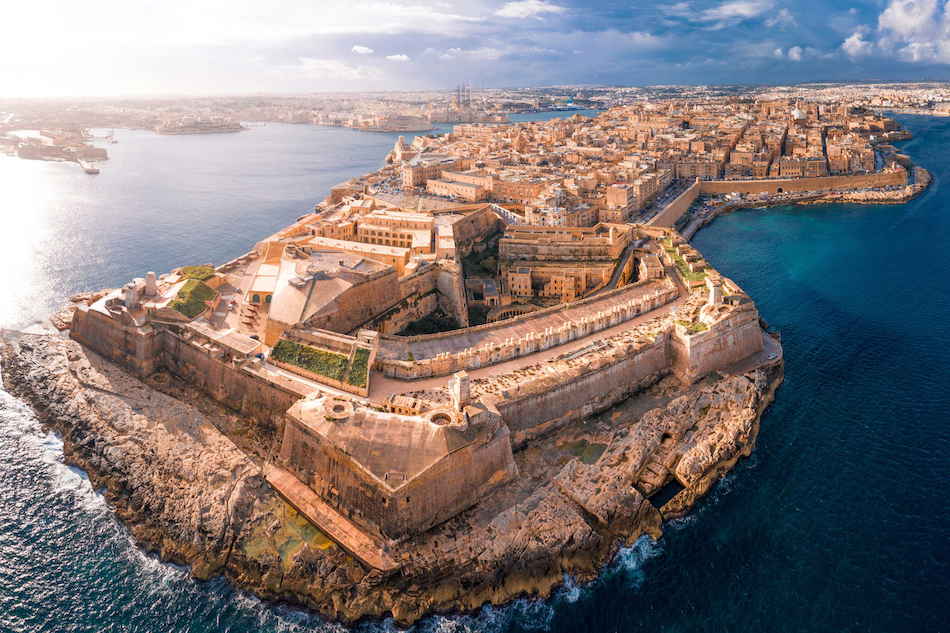
Geographically, Malta occupies a strategic position at the centre of the Mediterranean, placing much of Europe within a two or three hours’ flight. The country shares the Central European Time zone, allowing smooth collaboration across global markets. Add over three hundred days of sunshine each year, mild winters, and a relaxed coastal rhythm, and Malta’s appeal becomes as practical as it is aspirational.
Clarity, Simplicity, and Efficiency
Malta’s Nomad Residence Permit is open to professionals from outside the European Union, European Economic Area, and Switzerland. Applicants qualify if they earn their income from sources outside Malta – whether employed by an overseas company, managing their own business registered abroad, or providing freelance services to foreign clients.
The programme requires applicants to earn a minimum annual income of €42,000 before tax, a benchmark that reflects Malta’s high standard of living and ensures sustainability. Family members, including partners and dependent children, can be included without the need to meet a higher income threshold, which gives the programme a genuine family-friendly dimension.
The process is entirely digital and managed by Residency Malta Agency, the government entity responsible for administering the permit. Applicants prepare and submit their documentation online, receive a pre-approval decision within around thirty working days, and then finalise accommodation and health insurance before travelling to Malta.
Upon arrival, applicants complete a short appointment for biometrics and, within a couple of weeks, collect their residence card in person. The application fee is €300 per individual on the application form, and the residence card issuance costs €100. The system is transparent, efficient, and designed for professionals who value clarity and predictability.
Where Malta Adds Real Value
What sets Malta apart is that its programme extends beyond the administrative. It seeks to create a sense of belonging and connection that few other jurisdictions offer.
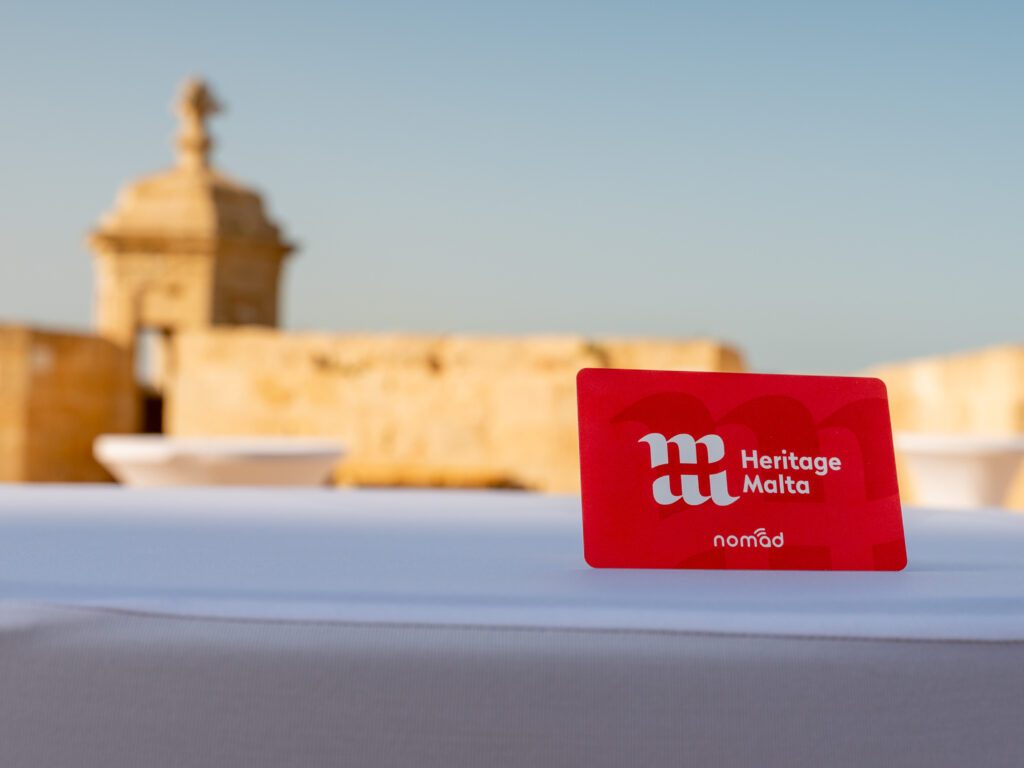
Malta is a living repository of culture and history, home to prehistoric temples, baroque architecture, and some of the oldest continuously inhabited urban areas in Europe. Through a collaboration between Residency Malta and Heritage Malta, holders of the Nomad Residence Permit can obtain a Nomad Heritage Card, which grants complimentary access to many of the island’s most significant historical sites. The card is not just a cultural privilege; it is an invitation to understand and experience the identity of the country that hosts you.
Residency Malta also curates events that bring the community together, often blending professional networking with cultural discovery and social engagement. Past activities have included vineyard tours, evening gatherings in heritage locations, and environmental initiatives such as a coastal clean-up at Mistra Bay, organised with local NGO Żibel. These occasions combine leisure with purpose and have helped build a spirit of cooperation between visiting professionals and Maltese residents.
Looking forward, the agency intends to broaden these initiatives, encouraging volunteer work, entrepreneurship, and community participation, fostering an ecosystem where nomads are not merely visitors but contributors to Malta’s social and economic life.
Why Malta’s Model Matters
In the global competition for talent, Malta’s Nomad Residence Permit demonstrates how design and intent can elevate a visa into a value proposition. It shows that successful mobility solutions depend not only on access and infrastructure but also on integration, experience, and trust.
For Malta, the programme is a forward-looking instrument of economic development—attracting independent professionals whose spending, skills, and international networks enrich the local economy. For participants, it represents a strategic base in Europe, combining regulatory certainty and a Mediterranean lifestyle.
At a broader level, Malta’s model reflects a shift from transactional to relational mobility solutions. By weaving heritage and community engagement into the framework, it adds intangible but powerful values of belonging, meaning, and shared experience.
A New Home for Global Professionals
Malta’s Nomad Residence Permit is not simply a digital nomad visa, it captures the spirit of a changing world where mobility, independence, and professional ambition intersect. It offers more than a convenient base for remote work; providing a base in Europe and a community grounded in connection, culture, and opportunity.
For forward-thinking professionals seeking to balance productivity with quality of life, Malta represents both a strategic choice and a personal investment in a richer way of working and living.
To discover more on how to make Malta your next base, visit https://nomad.residencymalta.gov.mt and explore how the Nomad Residence Permit can help you work, live, and thrive in the heart of the Mediterranean.